
The Link Between Vision and Cognitive Health

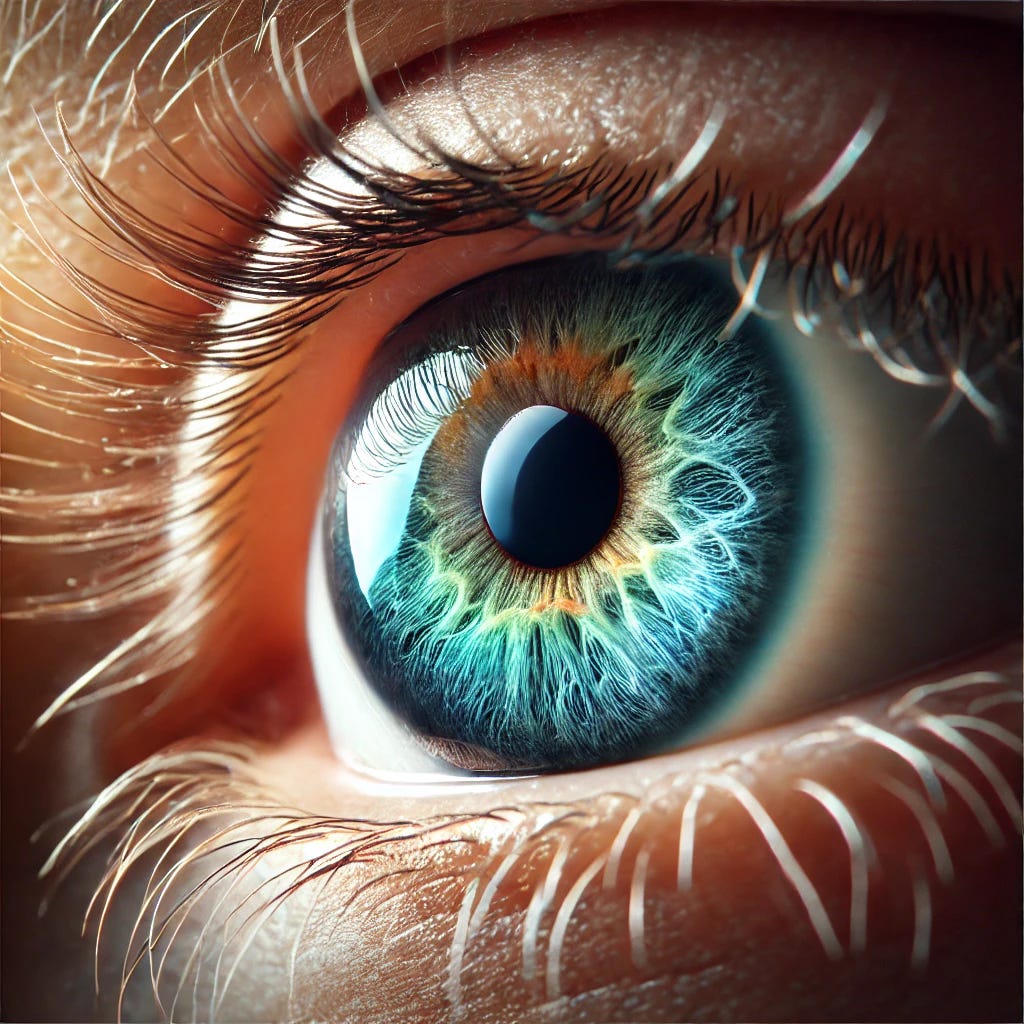
Vision and cognition are closely linked, with research suggesting that maintaining good eyesight may help preserve cognitive function and potentially reduce the risk of dementia in older adults. As the aging population faces an increasing prevalence of both vision impairment and cognitive decline, understanding this connection is crucial for promoting overall well-being.
The Link Between Vision and Cognitive Health
Several studies have established a strong association between visual impairment and cognitive decline. The mechanisms underlying this connection include:
Sensory Deprivation Hypothesis: Reduced visual input leads to diminished neural stimulation, which may accelerate cognitive decline.
Cognitive Load Hypothesis: Poor vision forces the brain to work harder to interpret visual information, increasing cognitive strain.
Social Isolation and Reduced Engagement: Vision loss can limit participation in mentally and socially stimulating activities, leading to a greater risk of cognitive deterioration.
Given these factors, interventions that improve vision—such as corrective lenses and other visual aids—may have broader implications for brain health.
Research on Vision Improvement and Cognitive Function
1. Preventing cataract and Cognitive Benefits
Preventing cataract, which is the clouding of our natural lens has been shown to have significant cognitive benefits. Older adults without cataracts