
The Hidden Connection Between Liver Toxicants and Cataracts: How Toxins Can Impact Your Vision

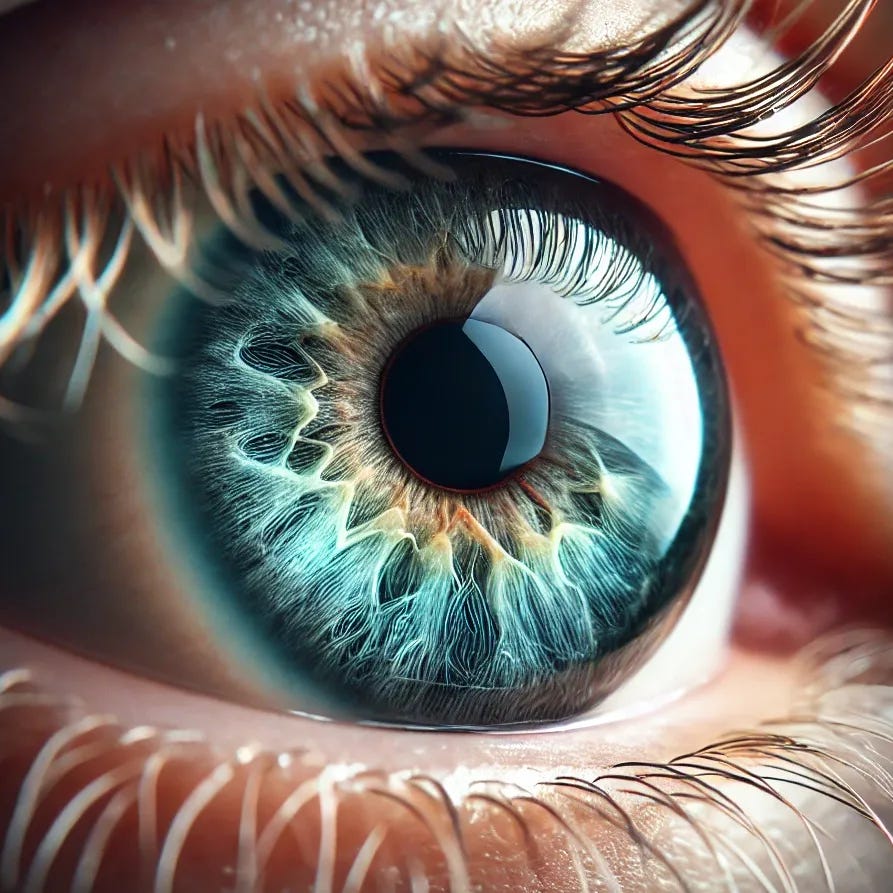
When it comes to cataracts, most people think of age, UV exposure, or smoking as the primary culprits. But did you know that exposure to certain liver toxicants can also increase your risk of developing cataracts? While cataracts—clouding of the eye’s lens—are often seen as an inevitable part of aging, recent research suggests that toxins affecting the liver may have a surprising impact on eye health, potentially accelerating cataract formation.
In this article, we’ll explore how liver toxicants, including environmental pollutants, medications, and lifestyle factors, can indirectly contribute to cataracts. We’ll also discuss how you can reduce your exposure to these toxicants to protect both your liver and your vision.
What Are Cataracts?
Cataracts occur when the normally clear lens of the eye becomes cloudy, leading to blurred vision, difficulty seeing at night, and increased sensitivity to light. The condition is common among older adults, as the proteins in the eye’s lens break down and clump together over time, causing cloudiness. While cataracts are generally associated with aging, other factors, including toxins, can also play a role in their development.
The Link Between Liver Health and Eye Health
The liver is the body’s detoxification center, responsible for filtering out harmful substances, breaking down toxins, and processing nutrients that support overall health. It plays a crucial role in maintaining balance within the body’s systems, including the eyes. When the liver becomes overwhelmed by toxic substances, it can impair its ability to neutralize harmful compounds, leading to a buildup of toxins that can affect various organs, including the eyes.
Here’s how liver toxicants may contribute to cataracts:
Oxidative Stress and Free Radical Damage Liver toxicants such as alcohol, environmental pollutants, and certain medications can lead to oxidative stress—an imbalance between free radicals and the antioxidants needed to neutralize them. Free radicals are unstable molecules that can damage cells and tissues, including those in the eyes. The lens of the eye is particularly vulnerable to oxidative stress, as it is constantly exposed to light and oxygen, making it prone to free radical damage.
When the liver is unable to properly filter and process toxins, these harmful substances can circulate in the body, increasing oxidative stress and contributing to the breakdown of proteins in the lens, a hallmark of cataract formation.
Reduced Nutrient Absorption The liver plays a key role in processing and storing essential nutrients, including antioxidants like vitamins A, C, and E, which protect the eyes from damage. Liver toxicants can interfere with the liver’s ability to absorb and store these nutrients, depriving the eyes of critical protection against oxidative damage. Over time, this nutrient deficiency can weaken the lens, making it more susceptible to cataract formation.
Inflammation Chronic exposure to liver toxicants can lead to inflammation throughout the body, including the eyes. Inflammation can disrupt normal cellular processes and contribute to tissue damage, accelerating the development of cataracts. Conditions such as nonalcoholic fatty liver disease (NAFLD), which is often associated with exposure to toxins like alcohol and certain chemicals, have been linked to systemic inflammation, which may increase the risk of cataracts.
Impaired Detoxification When the liver’s detoxification pathways are compromised, it can lead to the accumulation of harmful substances in the bloodstream, which can eventually affect the eyes. Over time, these toxins can weaken the lens and its ability to maintain clarity, accelerating the onset of cataracts.
Common Liver Toxicants That May Impact Eye Health
Several toxic substances can compromise liver function and increase the risk of cataracts. Let’s take a closer look at some of the most common culprits: