
How Does COVID Adversely Affect Eye Sight

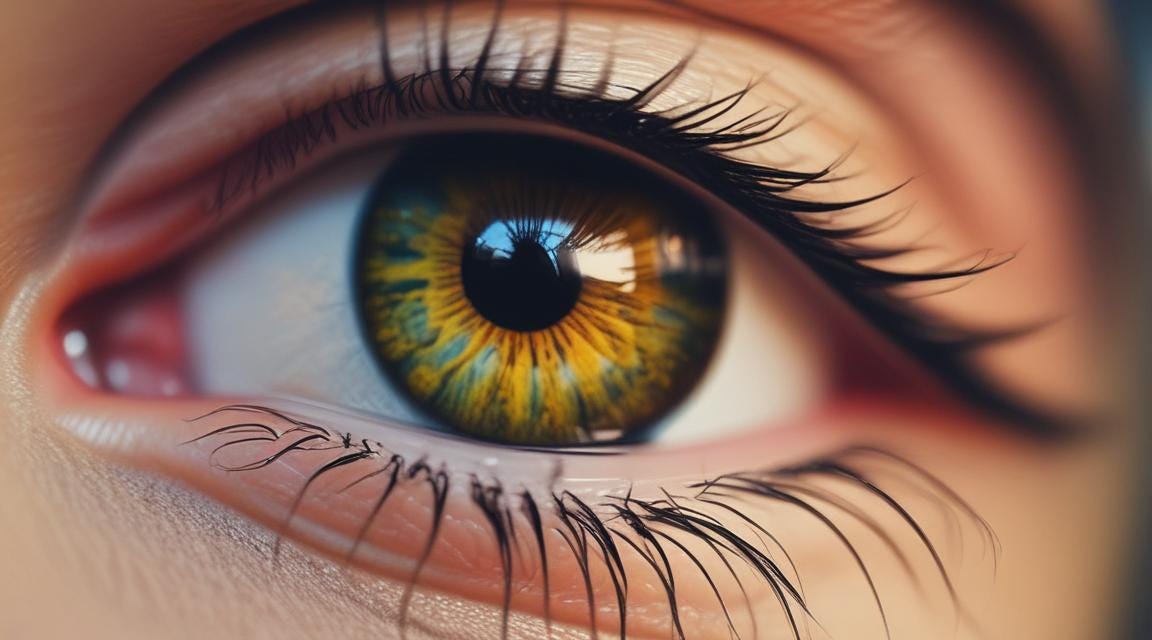
COVID-19 has been widely known for its impact on the respiratory system, but it can also have adverse effects on the eyes and vision. While the virus primarily affects the lungs, it can also cause a range of ocular complications due to its ability to trigger inflammation and affect various organs. Here’s how COVID-19 can negatively impact eyesight:
1. Conjunctivitis (Pink Eye)
One of the most common eye-related symptoms of COVID-19 is conjunctivitis, also known as pink eye. It occurs when the thin layer of tissue covering the white part of the eye becomes inflamed, leading to:
Redness
Swelling
Itching
Tearing
Discharge
While conjunctivitis is not typically severe, it can be an indication that the virus is present in the body, and it can be a source of transmission through tears.
2. Ocular Inflammation
COVID-19 can trigger systemic inflammation, which may also affect the eyes. Uveitis (inflammation of the middle layer of the eye) has been reported in some COVID-19 patients. This can lead to:
Eye redness and pain
Blurred vision
Sensitivity to light
Floaters
Inflammation caused by COVID-19 can exacerbate pre-existing eye conditions, potentially worsening them or leading to new problems.
3. Blood Clots and Retinal Issues
COVID-19 is known to increase the risk of blood clots, which can affect various parts of the body, including the eyes. Clots in the small blood vessels of the retina can lead to retinal vascular occlusions, causing vision loss. Some reported complications include:
Retinal vein occlusion (RVO): Blockage of the veins