
Blinded by the Eclipse: The Hidden Dangers of Staring at the Sun

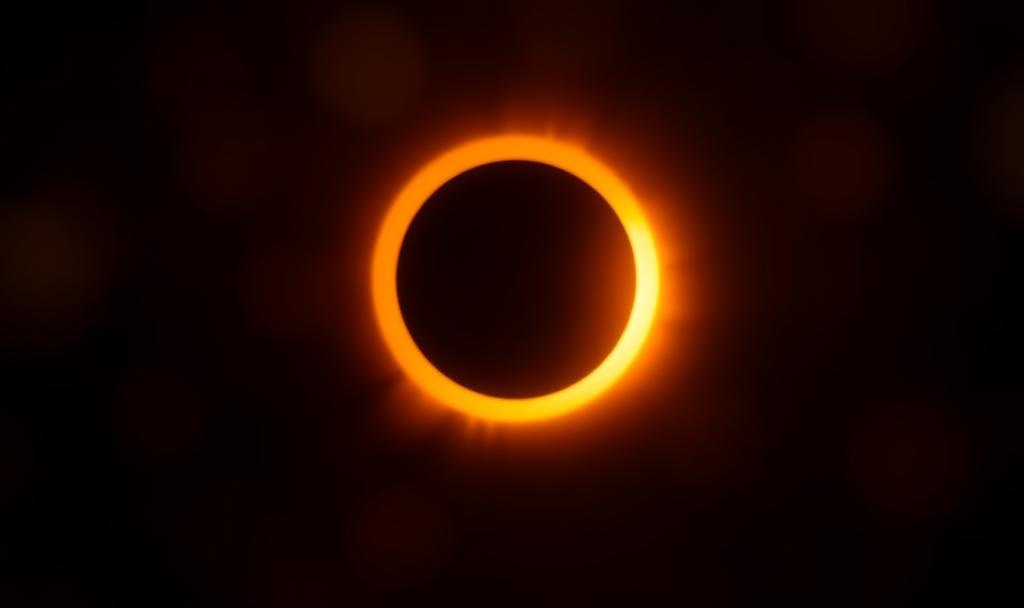
Yesterday, I came across a survey conducted by The Ohio State University Wexner Medical Center, revealing that nearly 30% of Americans are unaware that looking directly at a solar eclipse without proper protection can cause permanent eye damage. This startling fact inspired me to write this article in the hope of educating you about this critical issue. My goal is to ensure that you have the knowledge to protect your eyes if you choose to step outside and witness the awe-inspiring beauty of an eclipse in the sky.
Experiencing a solar eclipse is a breathtaking phenomenon that draws people from all walks of life to look up at the sky in awe. However, few are aware of the serious and irreversible damage that gazing at the sun during an eclipse can cause to the eyes. As a holistic ophthalmologist, I am deeply concerned about the well-being of your vision and hope to shed light on this critical topic. In this article, we’ll explore what happens when you look at the sun during an eclipse, why it is particularly dangerous, and how to protect your eyes without missing out on the celestial event.
What Happens When You Look at the Sun?
The sun emits an intense spectrum of ultraviolet (UV) and visible light. While your eyes can handle small amounts of sunlight reflected off surfaces, directly staring at the sun can overwhelm the retina, causing a condition known as solar retinopathy.
During an eclipse, the moon blocks much of the sun’s light, which can trick your eyes into letting down their natural defenses, such as squinting or blinking. Without these protective responses, the retina absorbs a dangerous level of UV radiation, damaging its delicate photoreceptor cells. This damage is often painless but can lead to permanent vision loss.
Why Is an Eclipse Especially Dangerous?
During a solar eclipse, the moon’s partial coverage of the sun creates a deceptive scenario. The reduced brightness lulls people into thinking it’s safe to look directly at the sun. In reality, the UV radiation is just as intense, if not more so, because the eye’s pupil dilates in response to the dimmer light, allowing more harmful rays to enter.
This effect is amplified by the duration of exposure. Many people are tempted to stare for prolonged periods during an eclipse, unknowingly increasing the risk of severe retinal damage. Unlike a quick glance at the sun on a normal day, sustained viewing during an eclipse can cause significant harm within seconds.
What Are the Symptoms of Solar Retinopathy?
The symptoms of solar retinopathy may not appear immediately, which is why many individuals do not realize they have injured their eyes until it’s too late. Common symptoms include: